When it comes to therapy, there’s no one-size-fits-all method. But one approach that has helped countless people feel safe, heard, and empowered is Client-Centered Therapy, also known as Person-Centered Therapy.
Developed by psychologist Carl Rogers in the 1940s, this type of therapy is grounded in one simple yet powerful idea: You are the expert on your own life.
Let’s explore what Client-Centered Therapy is, how it works, and why so many people find it transformative.
What Is Client-Centered Therapy?
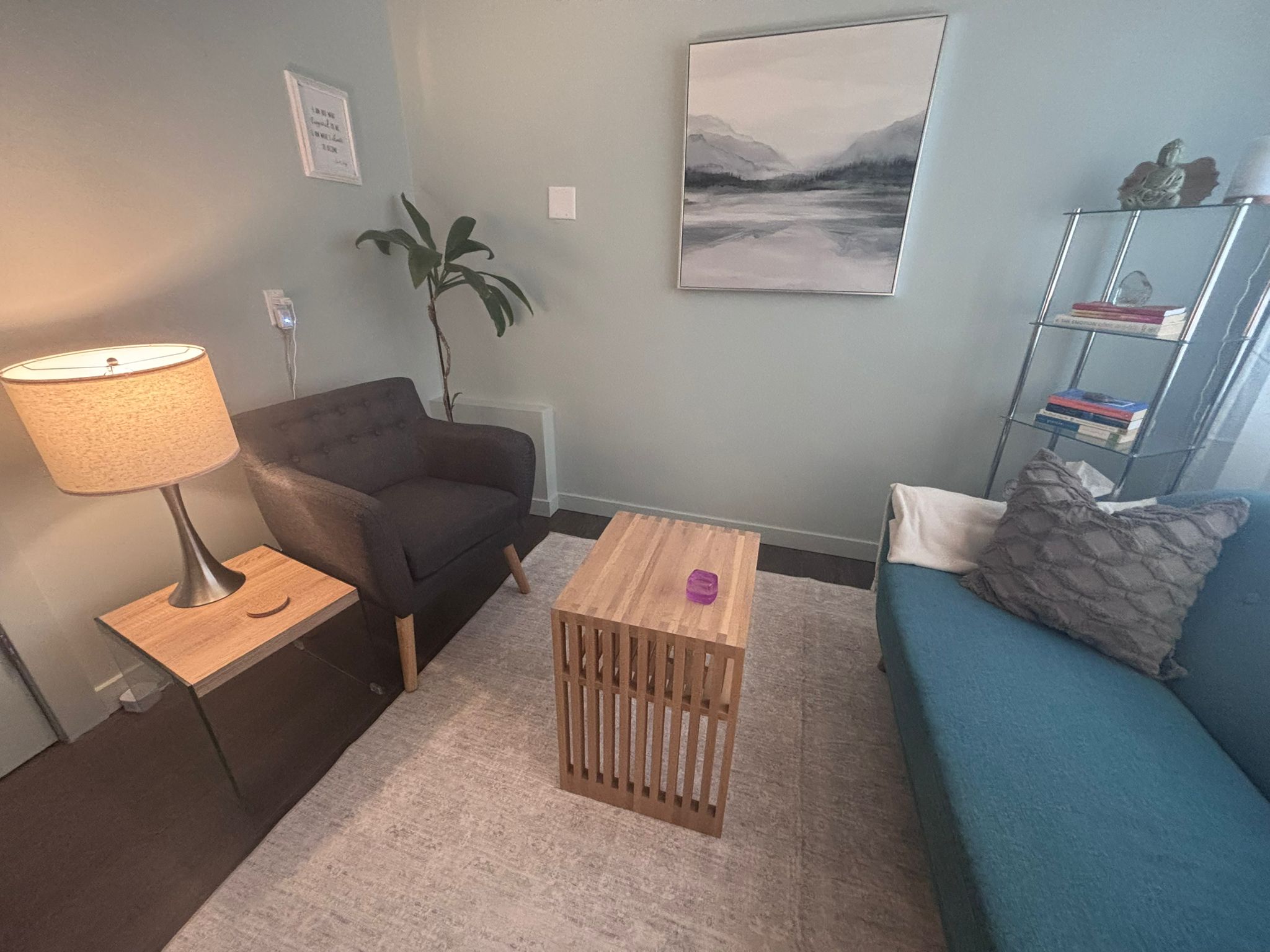
Client-Centered Therapy is a non-directive form of talk therapy. That means the therapist doesn’t give advice, diagnose, or try to “fix” you. Instead, they create a safe, respectful space where you lead the conversation — and you decide what’s important to explore.
This approach is based on the belief that everyone has an inner capacity for growth, healing, and self-understanding. The therapist’s role is to support and nurture that process, not control it.
“When someone really hears you without passing judgment on you, without trying to take responsibility for you, without trying to mold you, it feels damn good.”
— Carl Rogers
The Core Principles
Carl Rogers outlined three essential qualities a therapist must bring to each session:
1. Unconditional Positive Regard
Your therapist accepts you completely, without judgment — no matter what you share. This creates a space where you can be your authentic self.
2. Empathy
Your therapist genuinely tries to understand your world from your perspective. They listen deeply and reflect your feelings and thoughts with care.
3. Congruence (Authenticity)
Your therapist is genuine and transparent with you. They don’t hide behind a professional mask — they show up as a real person, fully present.
What Happens in a Session?
In a client-centered session, you’re free to talk about whatever’s on your mind. That might be:
- A current challenge
- Something from your past
- An emotion you don’t understand
- A decision you’re struggling with
There’s no agenda, no pressure. Your therapist listens, reflects, and helps you explore your thoughts and feelings more deeply. Over time, this can help you:
- Build self-trust
- Clarify what you truly want or need
- Heal from emotional wounds
- Strengthen your self-worth and confidence
Why Choose Client-Centered Therapy?
This approach is especially helpful if you:
- Feel unsure about opening up to someone new
- Have experienced judgment or criticism in the past
- Want a safe space to understand yourself better
- Prefer to be guided gently, not directed or analyzed
Client-Centered Therapy is widely used and has been shown to be effective for a range of emotional struggles, including anxiety, depression, low self-esteem, grief, and more.
Final Thoughts
Client-Centered Therapy offers something many of us rarely experience in daily life: a space to be deeply heard, accepted, and supported — just as we are.
If you’re looking for a counselling experience that respects your voice, honours your experience, and helps you reconnect with your own inner wisdom, Client-Centered Therapy might be the right fit for you.
Ready to take the next step?
Book Online | Trueself Counselling
You don’t need to have it all figured out. You just need a safe space to begin — and we’re here when you’re ready.