
You tell yourself you should be over it by now.
You understand what happened, but your body still reacts as though the threat is present.
You feel stuck in patterns you can’t fully explain.
You find yourself constantly on edge, emotionally exhausted, or disconnected from yourself.
You struggle with trust, relationships, self-worth, or feeling safe.
Sometimes the impact of difficult experiences stays with us long after the events themselves have passed.
At Trueself Counselling, I provide trauma-informed counselling in Coquitlam, BC for adults who want to better understand themselves, heal from difficult experiences, and move forward with greater clarity, confidence, and self-compassion.
Healing isn’t about forgetting what happened.
It’s about reducing the hold those experiences continue to have on your life.

Trauma-informed counselling recognizes that many emotional, behavioural, and relationship struggles may be connected to difficult life experiences.
Rather than asking:
“What’s wrong with you?”
Trauma-informed counselling asks:
“What happened to you?”
This perspective helps us understand symptoms with greater compassion and curiosity.
Many behaviours that seem confusing, frustrating, or self-defeating often make more sense when viewed through the lens of survival, adaptation, and protection.
Trauma-informed counselling emphasizes emotional safety, collaboration, choice, and respect throughout the counselling process.
A dedicated one-on-one session in a calm, private space to explore what’s on your mind.
Connect from anywhere with secure online sessions that offer the same level of support.
Appointments designed to fit around your routine, making it easier to stay consistent.
(778) 801-6497
info@trueself-counselling.com
Many people assume trauma only refers to major events.
While traumatic events can certainly have a significant impact, trauma can also result from ongoing experiences that leave someone feeling unsafe, powerless, overwhelmed, unsupported, or emotionally wounded.
Examples may include:
People respond differently to difficult experiences.
What matters is not whether something “should” have affected you.
What matters is how it affected you.
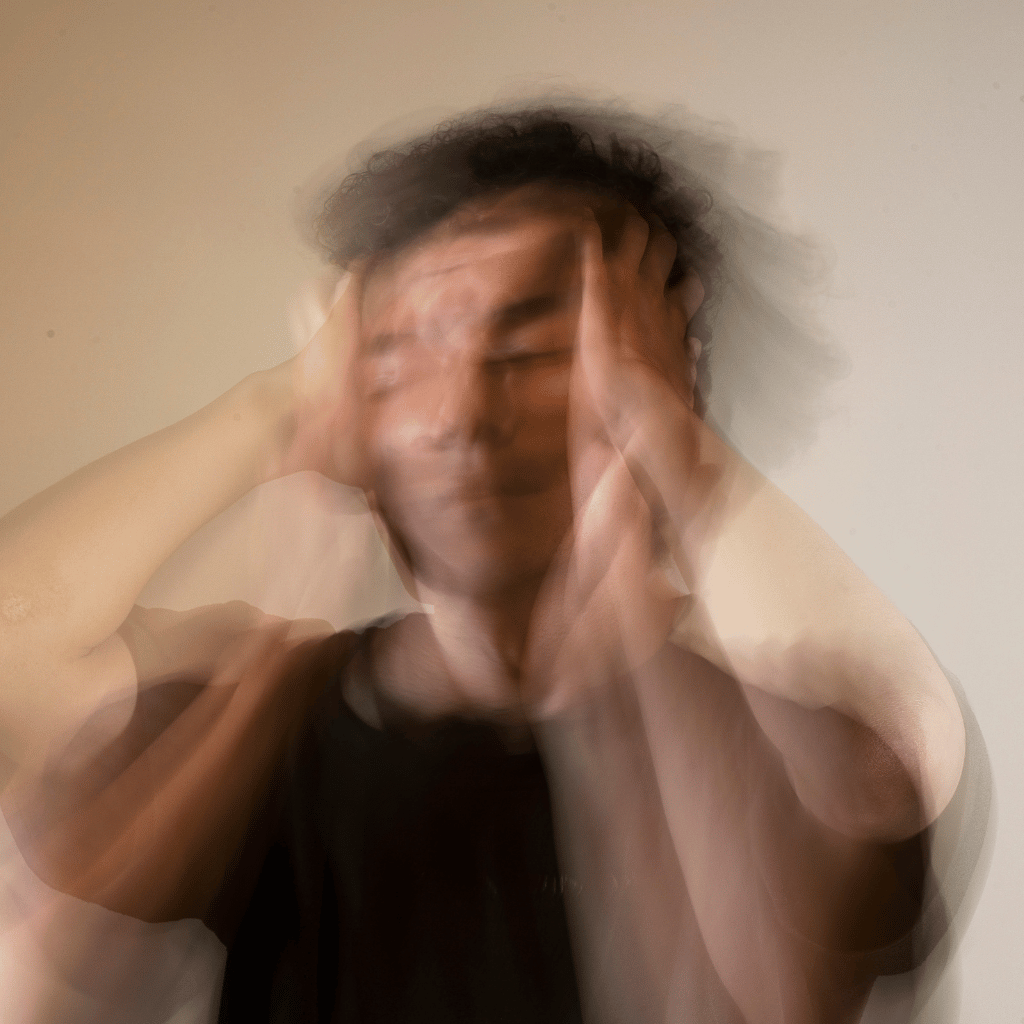
You may benefit from trauma-informed counselling if you experience:
Many people spend years believing these struggles are simply part of who they are.
Often, they are understandable responses to experiences that were difficult to process.
Many people who seek trauma-informed counselling don’t think of themselves as struggling with trauma.
They simply know they’re tired.
Tired of always being on guard.
Tired of overthinking.
Tired of putting everyone else’s needs first.
Tired of feeling responsible for everything.
Tired of carrying emotions they don’t fully understand.
Often these patterns developed for good reasons.
They helped you cope.
They helped you adapt.
They helped you survive.
But survival mode can become exhausting when it never fully turns off.
Many people arrive in counselling feeling worn down by patterns that once protected them but no longer serve them in the same way.

Many coping strategies begin as ways of protecting ourselves.
Avoidance.
People-pleasing.
Perfectionism.
Emotional shutdown.
Constant vigilance.
Overthinking.
These responses often serve an important purpose at one point in life.
They help us adapt.
They help us survive.
The challenge is that what once protected us can sometimes begin limiting us.
Many people arrive in counselling feeling exhausted by patterns they understand intellectually but struggle to change emotionally.
Trauma-informed counselling helps explore these patterns with compassion rather than judgment.

One of the most confusing aspects of trauma is feeling as though your reactions don’t match the situation.
You may find yourself becoming overwhelmed, shutting down, withdrawing, or feeling emotionally flooded in ways that seem difficult to explain.
This often occurs because the nervous system remembers experiences differently than the thinking part of the brain.
Even when you logically know you’re safe, your body may still respond as though danger is present.
Understanding these reactions can be an important step toward healing.
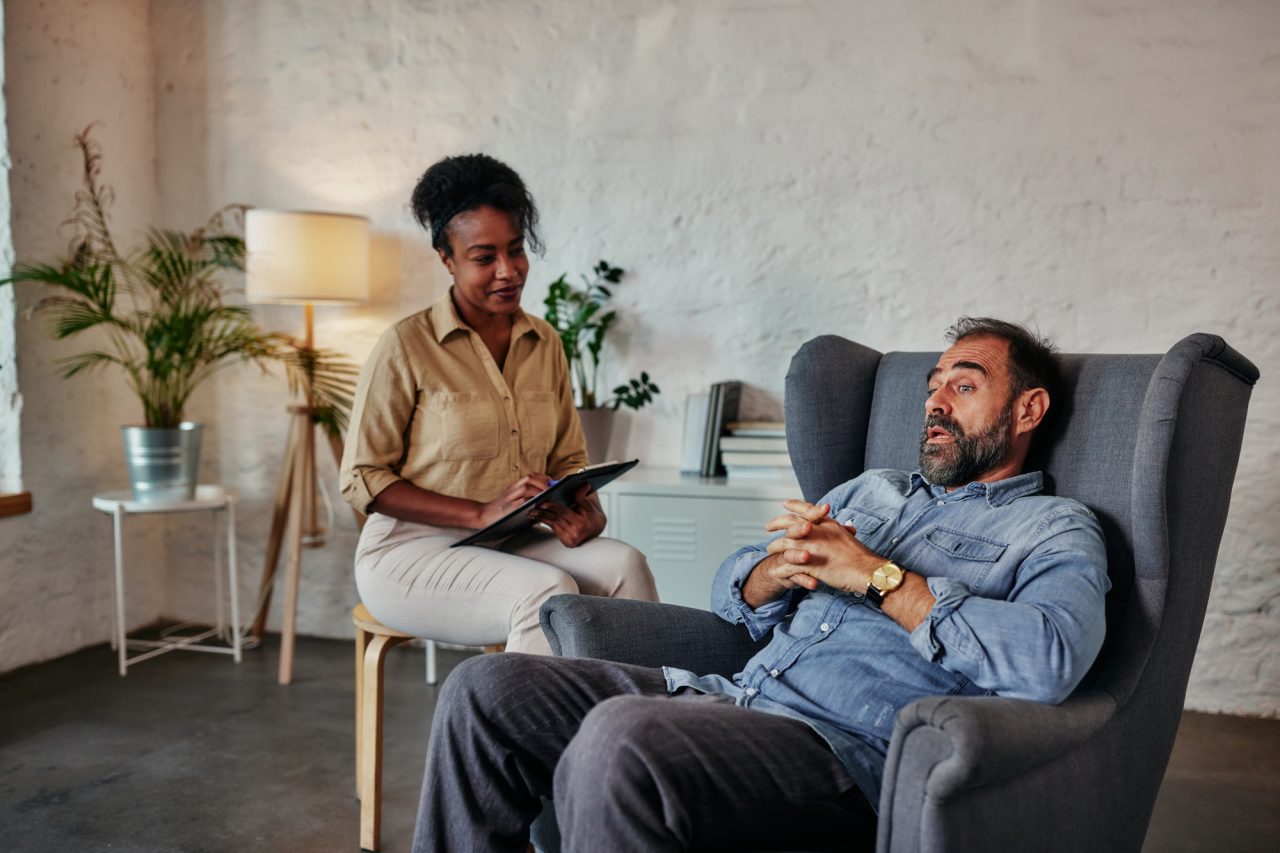
Trauma-informed counselling is not about forcing you to revisit painful experiences before you’re ready.
The focus is on creating safety, understanding patterns, and helping you build resources for coping and healing.
Depending on your goals, counselling may involve:
Healing happens at a pace that feels manageable and respectful.

Healing doesn’t necessarily mean never thinking about difficult experiences again.
For many people, healing looks like:
Over time, many people find that difficult experiences become part of their story without continuing to define their future.
Trauma rarely exists in isolation.
Many people seeking trauma-informed counselling also experience:
As counselling progresses, many people begin recognizing how past experiences continue to influence present-day thoughts, emotions, relationships, and coping patterns.
Understanding these connections can create meaningful opportunities for healing and growth.
At Trueself Counselling, I take a compassionate, collaborative, and trauma-informed approach to therapy.
I draw from evidence-based approaches including Cognitive Behavioural Therapy (CBT), Emotion-Focused Therapy (EFT), Narrative Therapy, mindfulness-based approaches, and psychodynamic perspectives.
Our work together is tailored to your unique experiences, goals, and comfort level.
You remain in control of the pace and direction of the counselling process.
Trueself Counselling provides in-person counselling in Austin Heights, Coquitlam and virtual counselling throughout British Columbia.
Clients from Coquitlam, Port Moody, Port Coquitlam, Burnaby, and surrounding communities seek support for trauma-related concerns, anxiety, self-esteem challenges, burnout, relationship difficulties, emotional overwhelm, and people-pleasing patterns.
If you’re looking for a trauma-informed counsellor in Coquitlam, support is available.
You don’t have to continue carrying everything on your own.
No. Many people benefit from trauma-informed counselling even if they don't identify their experiences as traumatic. The focus is on understanding how past experiences may be affecting you today.
No. Trauma-informed counselling respects your pace and comfort level. You are never required to discuss experiences before you feel ready.
Yes. Anxiety, hypervigilance, overthinking, and difficulty relaxing are common responses to difficult experiences.
Trauma-informed counselling places additional emphasis on safety, collaboration, choice, and understanding the impact of past experiences on present-day functioning.
If you feel that past experiences may still be affecting your emotions, relationships, self-worth, or sense of safety, trauma-informed counselling may be helpful.
If overthinking, second-guessing, or constant ‘what if’ thoughts are leaving you mentally exhausted, counselling can help you understand what keeps the cycle going and develop healthier ways of responding to it.

(778) 801-6497