
About Me
About Trueself Counselling | Coquitlam, BC
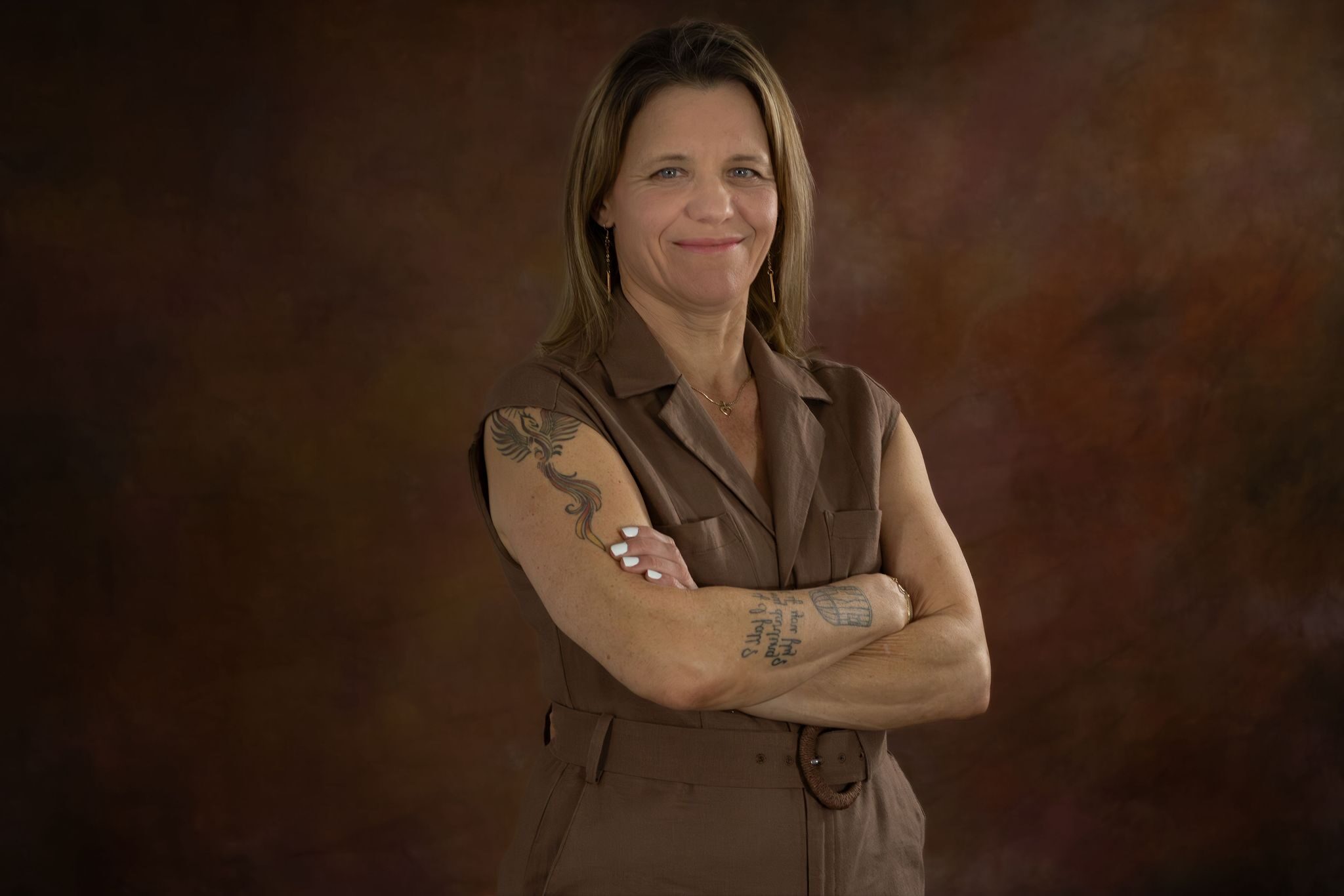
About Me
Holding It Together
They come because they’ve been holding things together for a long time — and it’s starting to feel harder than it should.
From the outside, life often looks fine. You’re functioning, showing up, managing responsibilities, keeping things moving. But internally, something feels different.
From the outside, life often looks fine. You’re functioning, showing up, managing responsibilities, keeping things moving.
Overthinking. Emotional exhaustion. Burnout. Self-doubt. A mind that won’t slow down even when life technically should feel okay.
This is the space I work in at Trueself Counselling — supporting adults in Coquitlam, BC and across British Columbia who feel overwhelmed internally while still appearing high-functioning externally.
My work is not about fixing you.
It’s about helping you understand what’s been happening underneath the surface, so things feel more grounded, clear, and manageable again.
Trusted by world-class organizations








Before becoming a counsellor, I worked in mental health advocacy, crisis support, and high-intensity support environments cumulatively for over a decade.
What I saw repeatedly was simple:
Most people weren’t struggling because they were incapable.
They were struggling because they had been strong for too long without enough support.
People would show up exhausted, overwhelmed, and self-critical — often still trying to “hold it all together” even in moments where they were already beyond capacity.
That pattern stayed with me.
It shaped how I practice today — grounded, steady, and focused on helping people slow things down enough to actually understand what they’re carrying.
About Trueself Counselling
My focus is supporting people who are carrying more internally than it looks like from the outside — especially anxiety, burnout, self-doubt, and emotional overwhelm.
My approach to therapy
Therapy with me is calm, collaborative, and trauma-informed.
You don’t need to show up perfectly.
You don’t need to have the right language.
You don’t need to know where to start.
We begin exactly where you are.
I integrate evidence-based approaches including:
- Cognitive Behavioural Therapy (CBT)
- Mindfulness-based therapy
- Emotion-focused therapy
- Nervous system regulation and grounding work
But therapy is never just a framework.
It is guided by what’s actually happening in your life — your stress patterns, your emotional load, and your capacity in the moment.
The goal is simple:
to help things feel less overwhelming and more understandable.
What I help with
I support adults across Coquitlam and British Columbia who are experiencing:
- Anxiety and chronic overthinking
- Burnout and emotional exhaustion
- Self-doubt and low self-esteem
- Perfectionism and people-pleasing
- Life transitions and identity shifts
- Relationship stress and emotional disconnection
- Feeling overwhelmed, stuck, or “not like yourself”
Often, these experiences overlap.
Anxiety can fuel burnout.
Burnout can deepen self-doubt.
Self-doubt can make everything feel heavier.
In therapy, we don’t separate you into categories — we look at the full picture.
What sessions are like
Most people begin therapy saying:
“I don’t really know where to start.”
So we start there.
We slow things down and focus on what your internal experience has actually been like — not just events, but how you’ve been carrying them.
Over time, patterns begin to emerge:
- what keeps your mind overactive
- what drives emotional overwhelm
- what makes rest feel difficult
- what keeps you in “always on” mode
Nothing is rushed.
Therapy becomes a space where things start to make sense instead of staying stuck in your head.
And from there, change becomes more possible — not through pressure, but through understanding.
What change can feel like
Change in therapy is rarely sudden.
It tends to be subtle, then steady.
You may notice:
- a quieter mind
- less intensity in self-criticism
- more space before reacting or spiralling
- moments of feeling grounded again
- a growing sense of self-trust
Over time, those shifts build into something meaningful:
a life that feels less internally exhausting to live.
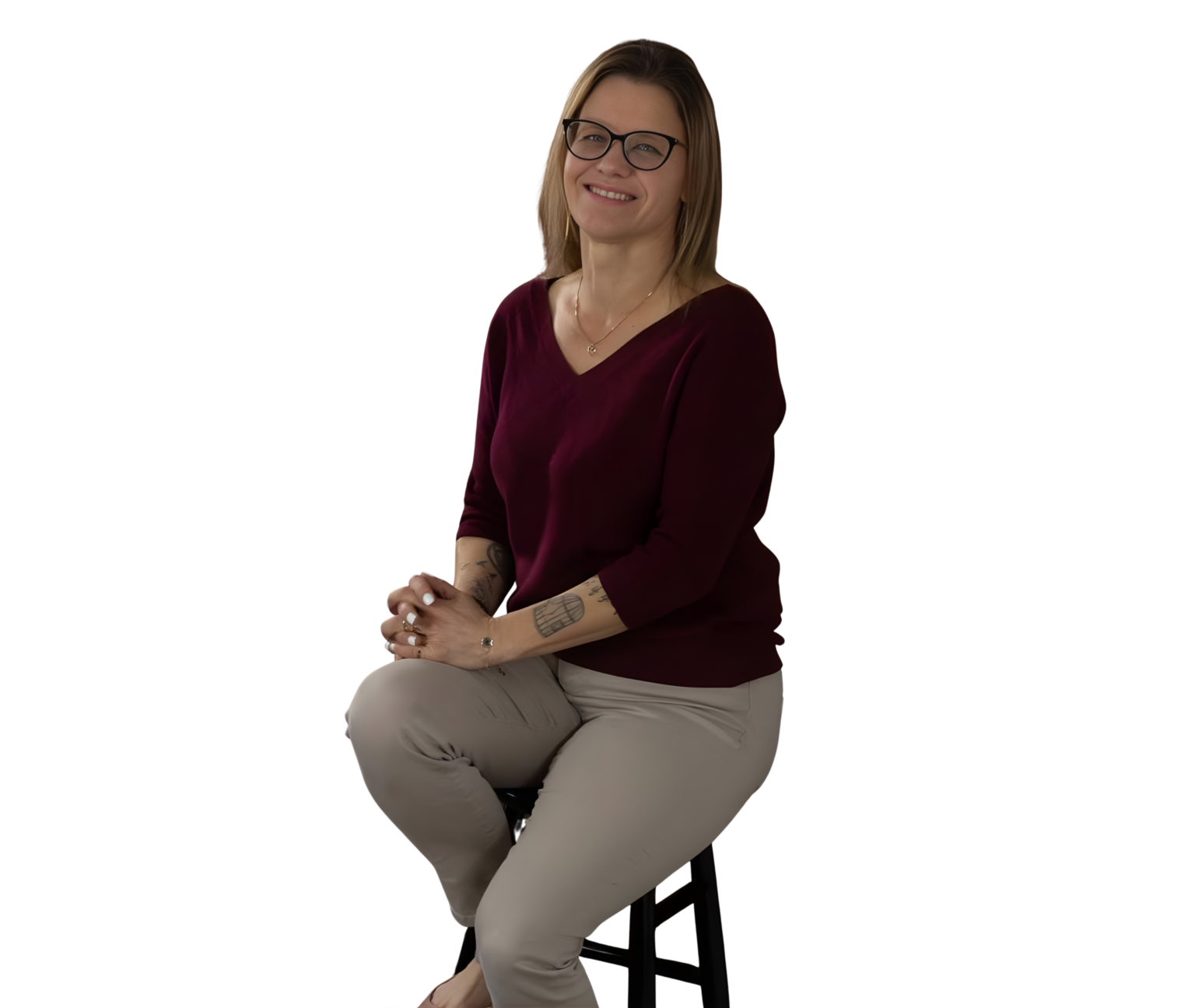
My Support
Who I work with
They are working, parenting, studying, showing up — but feeling mentally overloaded or emotionally drained underneath it all.
You don’t need to be in crisis to start counselling.
If something feels off, heavy, or unsustainable, that’s enough to begin
Get Started
Ready to begin?
If something here resonates, you don’t need to have everything figured out.
You can start with a free 20-minute consultation.
We’ll talk about what’s going on and whether counselling feels like a good fit for you.
No pressure. No obligation.
Just a starting point.